Project Background
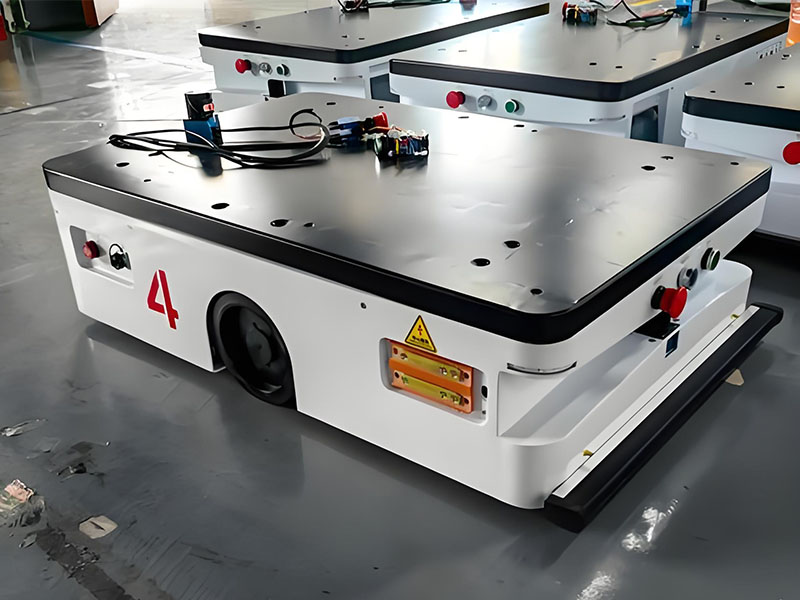
As an industry-leading smart manufacturing demonstration plant, the XX New Energy Vehicle Components Manufacturing Base relies entirely on over 80 autonomous navigation AGVs (Automated Guided Vehicles) for material transfer between production lines. These AGVs operate 24/7 along magnetic or laser navigation routes across a facility exceeding 50,000 square meters, covering over 4,000 kilometers daily. However, as production capacity ramps up and manufacturing cycles accelerate, the existing AGV wheel systems have revealed multiple performance bottlenecks, hindering overall logistics efficiency improvements.
Challenges Faced by Polyurethane Wheels in AGV Operations
During a quarterly equipment analysis meeting, the head of the base’s intelligent logistics system highlighted four critical issues with the existing AGV wheels:
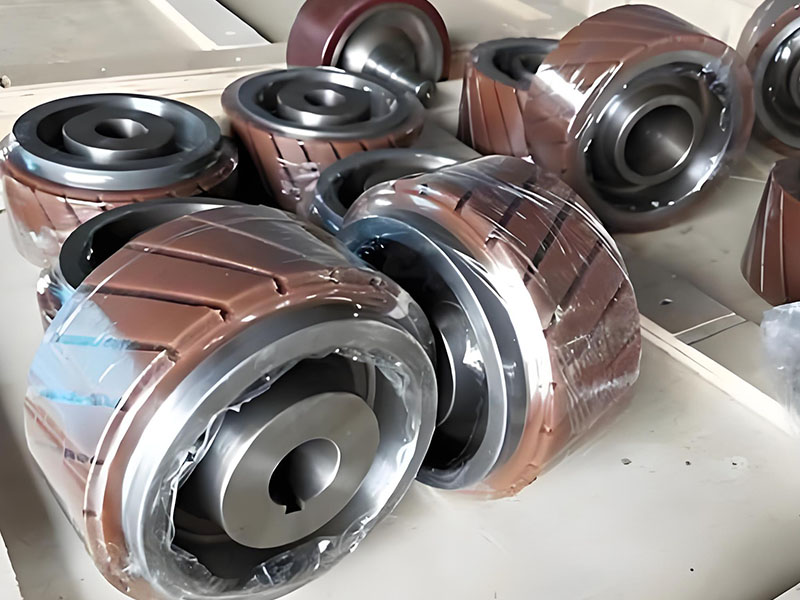
1. Conflict Between Positioning Accuracy and Ground Adaptability
Our AGVs must operate across zones with significant ground surface variations—from ultra-smooth epoxy-coated workshops to relatively rough warehouse areas. Traditional wheels exhibit different rolling characteristics on these two surfaces, forcing the navigation system to frequently adjust parameters. This impacts docking precision and operational smoothness.
2. Uneven Dynamic Wear
Due to prolonged operation along fixed routes, the wheels exhibit significant uneven wear. The disparity in wear rates between drive wheels, steering wheels, and idler wheels leads to posture deviations after extended operation. This necessitates frequent wheel set replacements and system recalibrations.
3. Balancing Noise Reduction and Load Capacity
In precision assembly zones, AGV noise must remain below 55 decibels, demanding softer, more elastic wheel materials. Conversely, in heavy-duty transfer areas, AGVs must handle molds exceeding 1 ton, requiring high-hardness wheels resistant to deformation. Traditional solutions struggle to reconcile these conflicting demands.
4. Conflict Between Conductivity and Wear Resistance
At certain sensitive workstations, AGV wheels require conductivity to prevent static buildup. Yet adding conductive materials typically degrades polyurethane’s wear resistance, reducing service life by over 30%.
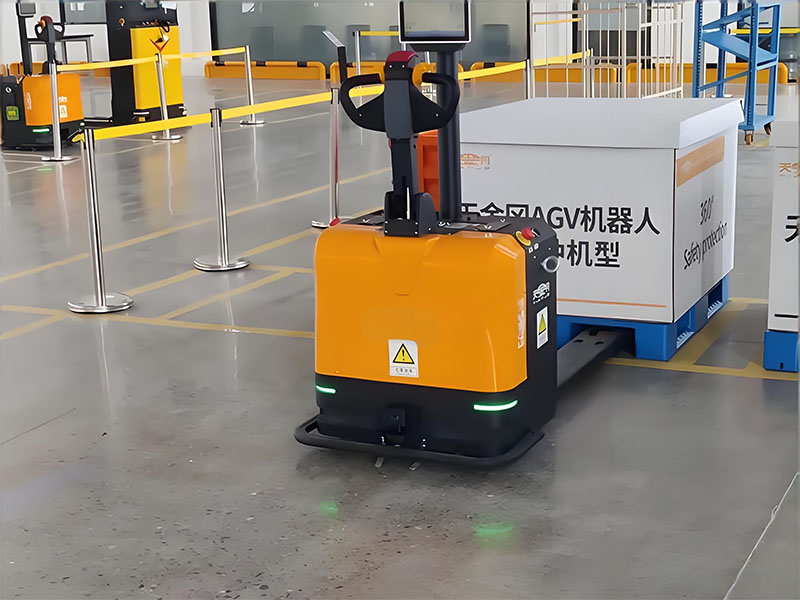
Core Performance Requirements for AGV Polyurethane Wheels
Given the unique demands of smart manufacturing environments, we define a six-dimensional performance matrix for AGV polyurethane wheels:
Precision: Wheel diameter tolerance controlled within ±0.2mm, with inter-wheel diameter variation not exceeding 0.1mm.
Surface Adaptability: Maintains stable rolling characteristics across surfaces with friction coefficients ranging from 0.3 to 0.7.
Dynamic Balance: Under rated load, radial runout does not exceed 0.5mm, ensuring smooth operation.
Noise Control: Noise levels below 55 decibels at a running speed of 2m/s.
Electrical Performance: Surface resistance customizable within the range of 10^4 to 10^11Ω based on application requirements.
Service Life: Target lifespan of no less than 12,000 hours under operating conditions of 20 hours per day and 350 days per year.
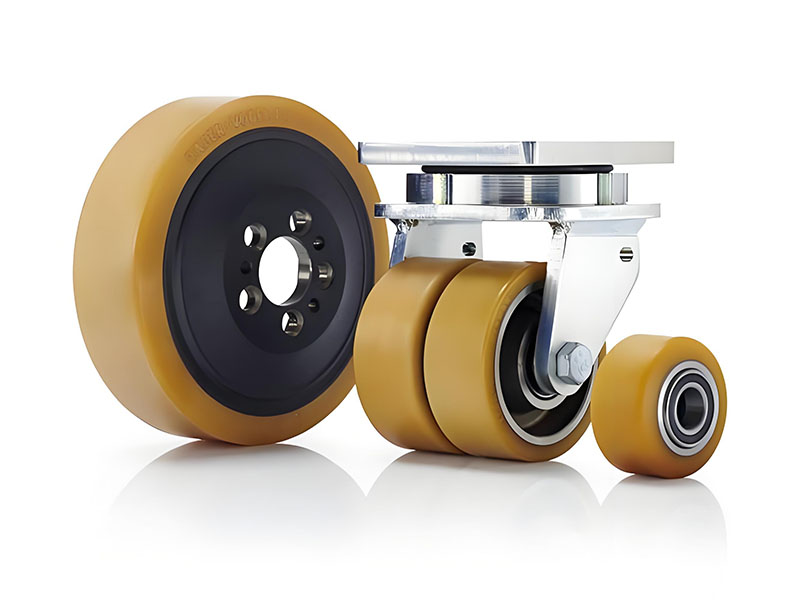
AGV-Specific Polyurethane Wheel System Solutions
We have collaboratively developed the AGV series of intelligent polyurethane wheel solutions with our clients’ technical teams:
Solution 1: Adaptive Ground Composite Tread Technology
To address ground adaptability challenges, we pioneered the “dual-density composite tread”: The central load-bearing zone employs high-hardness polyurethane (95A) to minimize deformation under heavy loads. The peripheral contact zone employs medium-hardness elastic material (80A) to enhance adaptability across diverse surfaces and absorb micro-vibrations. Intelligent tread patterns—including flat, shallow V-groove, and block designs—are tailored to specific ground conditions.
Solution 2: Full Lifecycle Wear Management System
To address uneven wear, we developed a complementary wheel set management system: Active wheel configuration precisely calculates load distribution for each position based on AGV model and route, enabling targeted allocation of wheels with varying hardness. Rotation schedule establishes a scientific rotation plan to ensure balanced wear across all wheels. Wear monitoring system (optional with built-in RFID chip) records real-time mileage and wear status.
Solution 3: Modular Conductive Solution
To balance conductivity and wear resistance, we designed a “sandwich” structure conductive wheel:Base layer,Maintains the high-wear-resistant compound unchanged. Conductive layer,Embeds a continuous conductive grid 2mm beneath the wheel surface.Insulated working surface,Features a 1mm insulating wear-resistant layer as the outermost layer, ensuring conductivity without compromising durability. Customizable to adjust conductive layer density and positioning based on anti-static grade requirements.
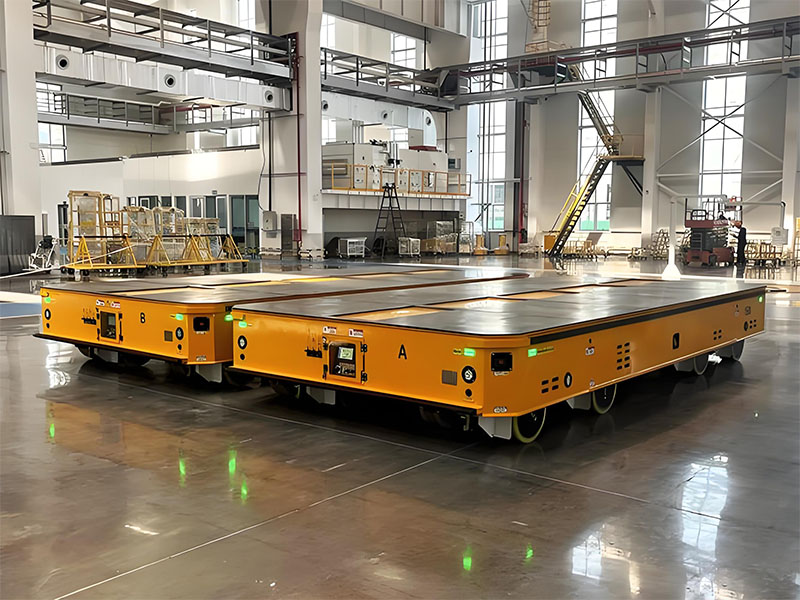
Implementation Results and Operational Value
After all AGVs completed wheel assembly upgrades and operated for 6 months, the facility conducted a comprehensive effectiveness assessment: AGV repeat docking accuracy improved from ±10mm to ±3mm, achieving a 99.9% docking success rate. Vibration levels for onboard precision instruments decreased by 60%, significantly enhancing material transport safety. Average operational noise decreased to 52 decibels, markedly improving the environment in precision assembly zones. Through wheel set management, overall wheel set lifespan is projected to extend by over 40%. Optimized rolling resistance increased average AGV battery runtime by 18%.
Comprehensive Operational Benefits: This wheel system upgrade exceeded expectations. The most immediate change was the transformation of the AGV dispatch system from a “passive fault response” model to an “active preventive management” model. Our equipment effective operating rate increased from 92% to 98.5%, reducing monthly downtime caused by travel system failures by 85 hours. Improved AGV docking accuracy shortened material handover times by 30%. Combined with other optimization measures, the entire logistics system’s throughput capacity increased by 15%. Based on our production capacity calculations, this equates to over 300 additional hours of effective production time per month.
Although the initial investment in high-performance polyurethane wheels and the supporting management system is relatively high, the combined savings in maintenance costs, reduced production interruption losses, extended service life, and enhanced production efficiency are projected to achieve a payback period of just 7 months.
Industry Implications and Future Outlook
In the era of smart manufacturing, AGVs have evolved from simple transport vehicles into “intelligent mobile terminals” within production systems. This case demonstrates that deep optimization of the wheel system can generate significant chain-reaction benefits—from equipment reliability to system efficiency and ultimately production profitability.
We believe that as Industry 4.0 advances, polyurethane wheels will play an increasingly critical role in intelligent logistics systems. We will continue to pursue R&D innovation, delivering smarter and more reliable mobility solutions for smart manufacturing.
Precision Mobility Systems for Intelligent Logistics: YALIDE — The Specialist in AGV-Specific Polyurethane Wheel System Solutions.


 Monday to Friday 8:00-17:00







 Telephone:
  Email:
  whatsApp: