Selecting forklift wheels is crucial for ensuring efficient, safe, and economical operation. Incorrect choices not only accelerate wheel damage but may also harm the forklift, damage cargo, or even cause safety incidents. As a professional polyurethane wheel manufacturer with dual production bases in China and Vietnam, we present a comprehensive set of “golden rules” for forklift wheel selection.
I. Matching Vehicle Models and Technical Requirements
1. Identify Forklift Type and Specifications: Determine whether it is an electric pallet truck, electric stacker, counterbalanced internal combustion forklift, reach truck, etc. Wheel configurations, load-bearing methods, and dimensions (wheel diameter, width, bearing bore) vary significantly across models.
2. Confirm Forklift Load Capacity: Verify the forklift’s rated load capacity (e.g., 2 tons, 3 tons). The wheel’s load capacity must exceed the maximum weight it will bear in the forklift’s design (considering varying forces on drive wheels, load-bearing wheels, and steering wheels). A “safety margin” is critical.
3. Confirm Forklift Wheel Mounting Method: Determine whether it is “fork mount” (with wheel forks) or bolt-hole mount (center axle sleeve), along with specific mounting dimensions.
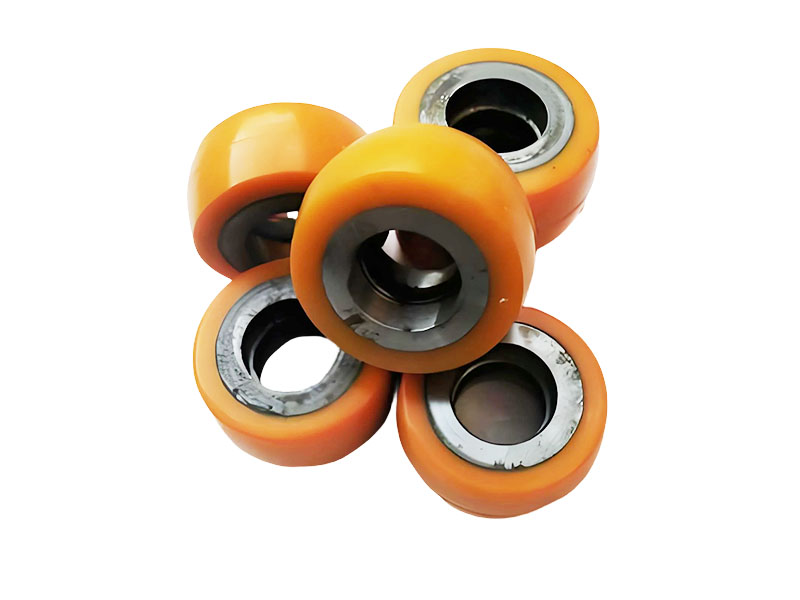
II. Analyze Ground Surface Conditions
1. Floor Type: For smooth, even surfaces (e.g., epoxy flooring, polished concrete, warehouse tiles), prioritize polyurethane wheels. They offer excellent wear resistance, high load capacity, leave no marks, operate with minimal noise, and provide optimal floor protection. For rough or uneven surfaces (e.g., standard cement floors, asphalt surfaces, debris-laden areas), nylon or rubber wheels are suitable. These offer superior impact resistance, though nylon wheels are harder and rubber wheels may leave marks. For specialized surfaces (e.g., cold storage, food processing areas, oil/chemical-contaminated zones), select specialized casters: low-temperature polyurethane/rubber casters for cold storage, FDA-certified white polyurethane casters for food industries, or chemically stable material casters resistant to oil contamination.
2. Floor Cleanliness Requirements: For environments demanding high floor protection (electronics, pharmaceuticals, warehousing/logistics centers), non-marking, highly elastic polyurethane wheels are the only choice.
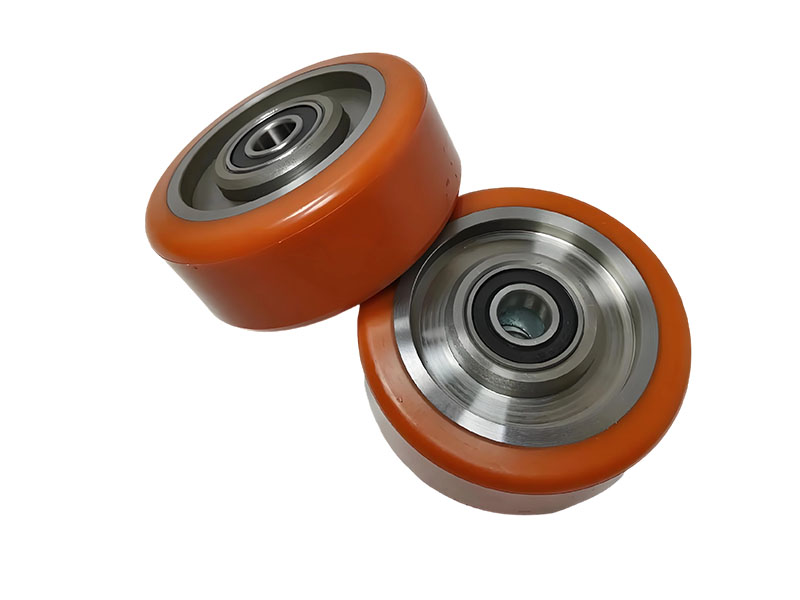
III. Understanding the Characteristics of Transported Goods
1. Load Weight: Consider not only average weight but also maximum single-load capacity to ensure wheels have sufficient load-bearing capability.
2. Cargo Properties: For precision or fragile items, select wheels with excellent elasticity and shock absorption (e.g., high-resilience polyurethane or rubber wheels) to minimize jolts. Metal or hard goods demand higher wheel abrasion resistance. If static electricity risks exist (e.g., electronic components, flammable dust environments), conductive or anti-static wheels must be chosen to eliminate static buildup hazards.
IV. Determining Wheel Material and Structure
1. Wheel Surface Material (Four Common Types):
Polyurethane Wheels: Offer the best overall performance. High load capacity, exceptional wear resistance, high elasticity, non-marking, and quiet operation. Suitable for most indoor and well-maintained outdoor environments. (This is our core area of expertise).
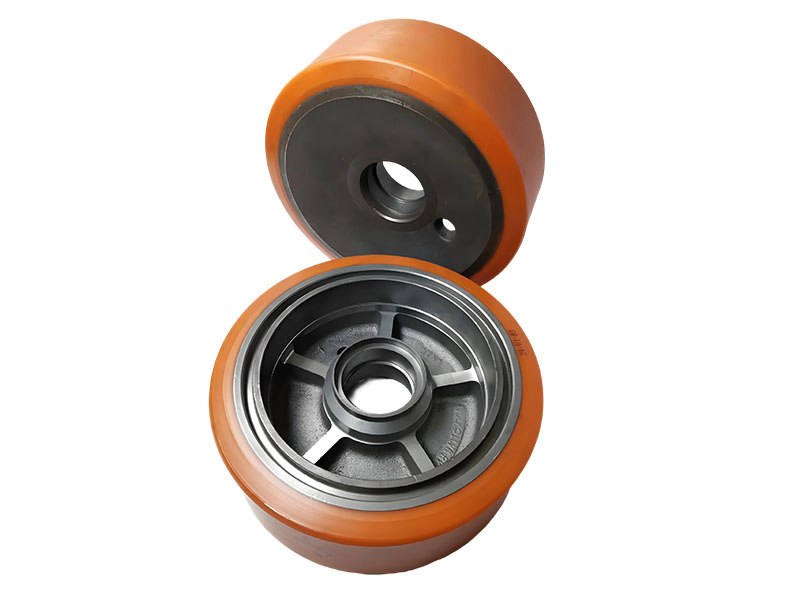
Nylon Wheels: Extremely high load capacity, exceptional wear resistance, and impact resistance. However, they are hard, provide poor shock absorption, and can damage floors. Suitable for heavy-duty applications and rough surfaces.
Rubber Casters: Excellent elasticity, superior shock absorption, strong traction. However, relatively poor wear resistance, prone to aging, and may leave marks. Suitable for uneven outdoor surfaces or applications requiring strong shock absorption.
Phenolic Resin Casters: Commonly known as “Bakelite casters,” extremely hard and heat-resistant, but highly brittle. Used only in special high-temperature or dry environments.
Special Composite Wheels: Examples include polyurethane-coated wheels (steel core with polyurethane outer layer), combining high load capacity with good elasticity.
2. Core Material:
Steel Core: Most common, high strength, suitable for the vast majority of scenarios.
Cast iron core: Heavier, used for ultra-heavy loads.
Plastic core: Lightweight and corrosion-resistant, used for light loads or humid environments.
Aluminum core: Lightweight and rust-proof, used in weight-sensitive equipment.
3. Bearing Type:
Roller bearings: Highest load capacity, suitable for heavy loads and low-speed applications.
Ball Bearings: Offer smoother, more flexible operation, suitable for higher speeds and moderate loads.
Precision Bearings/Dust-Proof Bearings: Used in environments requiring minimal running resistance or high dust exposure.
Bearingless (Bushing): Low-cost, used for extremely light loads and manual equipment.
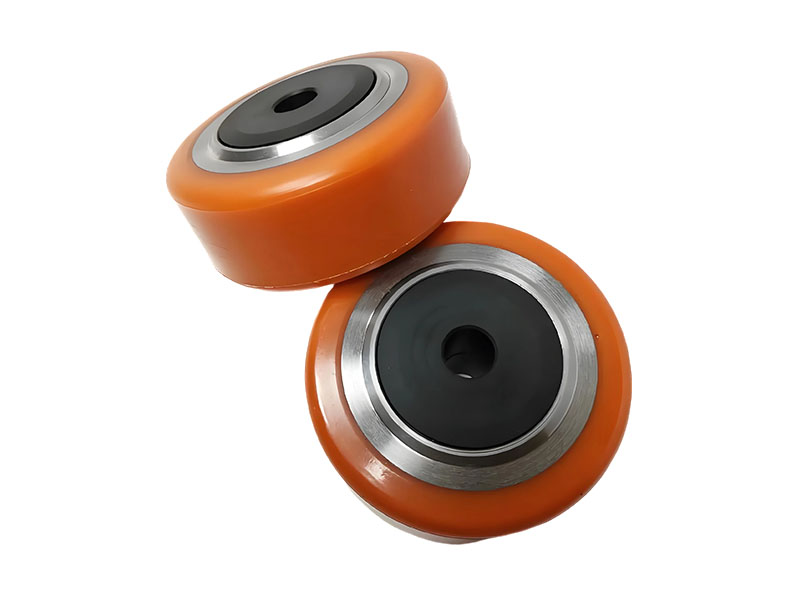
V. Evaluating Overall Cost-Effectiveness
Service Life: A high-quality polyurethane wheel, though initially more expensive, offers wear resistance and a lifespan 2-3 times longer than standard wheels, resulting in significantly lower long-term costs compared to frequent replacements of cheap wheels.
Maintenance and Replacement Costs: High-quality wheels minimize downtime for replacements, reducing labor maintenance expenses.
Protection of Equipment and Flooring: Inferior wheels may damage expensive forklift chassis or warehouse flooring, causing substantial hidden losses.
Impact on Efficiency and Safety: Smooth-running, safe wheels enhance operational efficiency and workplace safety—value that cannot be simply measured in monetary terms.
YALIDE’s Ultimate Recommendations
1. Prioritize consulting professionals or original equipment manufacturers/premium suppliers: Provide detailed information about the “vehicle, floor, and cargo,” and they will offer the most professional configuration advice.

2. Request samples for testing: Where feasible, conduct field tests on newly selected wheels—the most reliable validation method.
3. Choose reputable brands and manufacturers: Ensure authentic materials, reliable craftsmanship, and accurate load ratings. As a manufacturer with dual bases in China and Vietnam, we guarantee every wheel meets technical specifications through stringent quality control and flexible production. We also offer customized solutions for your specific requirements.
In summary, selecting forklift wheels is a game of precision matching. Accurately assess your operating conditions, understand the characteristics of different wheels, and focus on long-term value. Only then can you equip your forklift with the most suitable “shoes,” enabling it to operate steadily and efficiently, maximizing benefits for your logistics operations.


 Monday to Friday 8:00-17:00







 Telephone:
  Email:
  whatsApp: