In the world of industrial handling and mobile equipment, wheel selection often determines work efficiency, operational costs, and equipment lifespan. As a professional manufacturer of polyurethane wheels, YALIDE is frequently asked by customers: “Which is truly superior—polyurethane wheels or nylon wheels?” Today, we will provide a comprehensive, objective comparison analysis from a professional perspective.
I. Material Properties: Fundamental Differences Between the Two Materials
Polyurethane Wheels
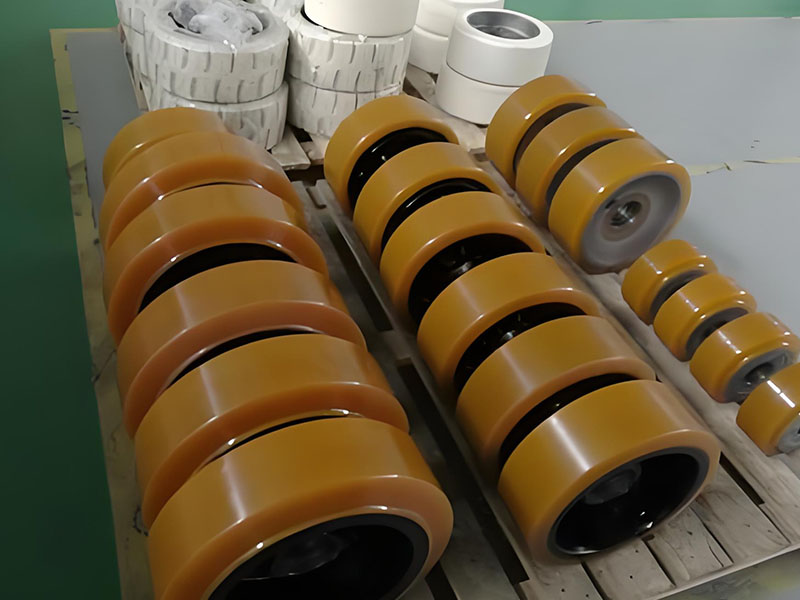
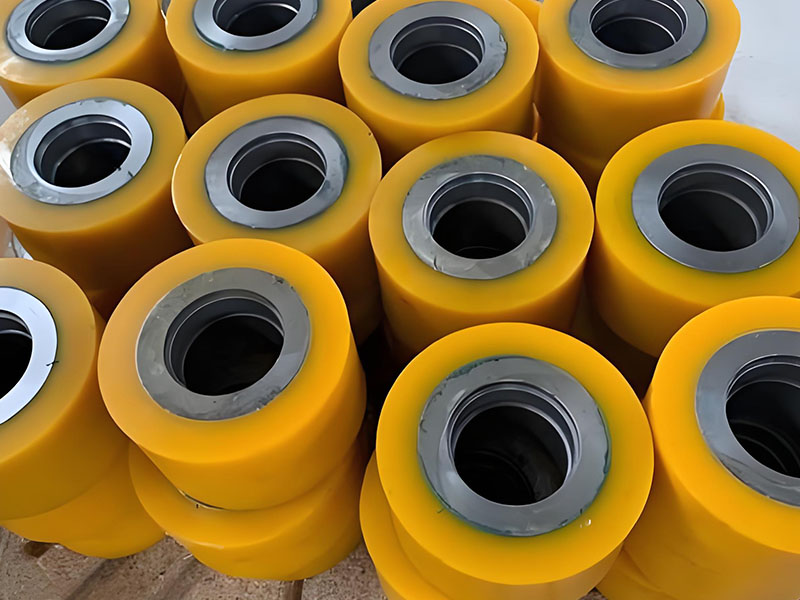
Polyurethane is a high-molecular-weight polymer material. By precisely controlling formulations and manufacturing processes, it can exhibit a wide range of properties from soft to hard. YALIDE specializes in high-performance NDI polyurethane, a leader in this field. Core Advantages: Exceptional elasticity and cushioning, outstanding wear resistance and tear strength, excellent load-bearing capacity and resilience, good oil and chemical resistance, significant shock absorption and noise reduction, and exceptional floor protection.
Nylon Wheels
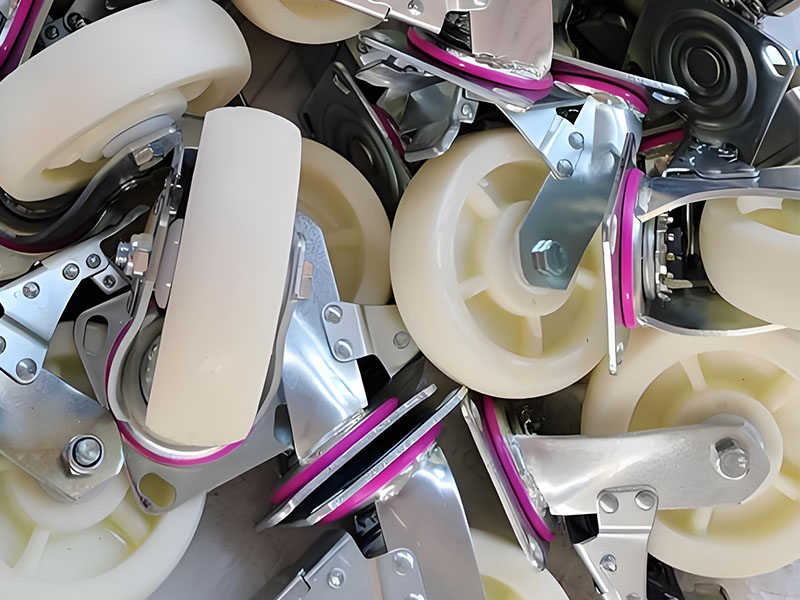
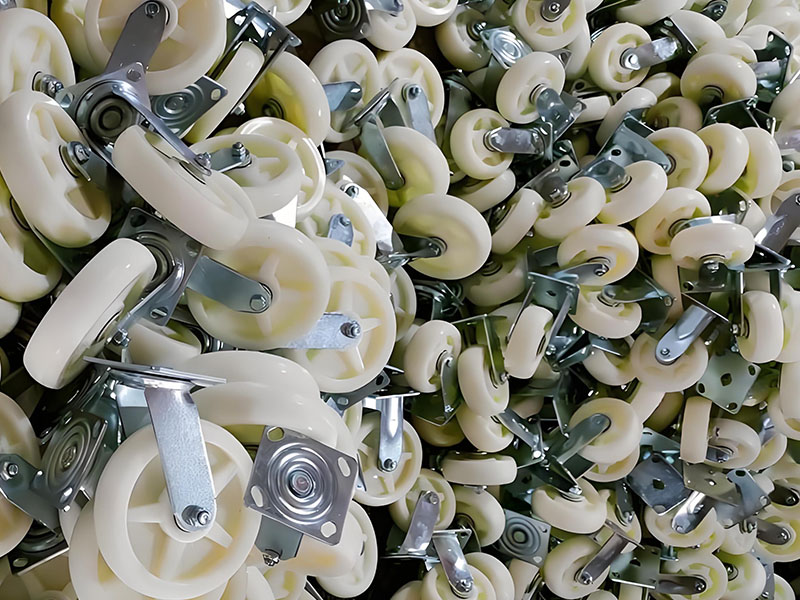
Nylon is an engineering plastic renowned for its high strength, hardness, and self-lubricating properties.
Core Advantages: Exceptional hardness and strength, outstanding wear resistance and deformation resistance, good impact resistance, relatively low cost, and lightweight.
II. Application Scenario Comparison: Which Best Fits Your Needs?
Preferred Polyurethane Wheel Scenarios
Environments with high floor protection requirements: Precision surfaces like epoxy floors, diamond-hardened floors, and wood flooring; specialized settings such as hospitals, laboratories, and electronic cleanrooms; public spaces including shopping malls and exhibition halls.
Applications prioritizing shock absorption and noise reduction: Medical equipment and precision instrument transport systems; carts used in libraries and office environments; AGV/AMR automated guided vehicles requiring silent operation.
Heavy-load and dynamic load scenarios: Heavy-duty forklifts, port equipment, mining machinery, handling heavy components on automated production lines, and moving large machinery like injection molding machines or presses.
Complex operating environments: Areas with oil contamination or chemical splashes, indoor-outdoor transition zones with significant temperature fluctuations, and specialized industrial settings requiring static dissipation.
Preferred Scenarios for Nylon Wheels
Extremely heavy static loads: Support wheels for stationary heavy-duty shelving systems and equipment casters in long-term static applications.
Extreme high-temperature or cryogenic environments: Specially formulated nylon withstands higher temperatures and sub-zero conditions (superior to standard polyurethane).
Budget-sensitive and simple operating conditions: Light-duty warehouse shelving casters, temporary handling equipment for short-term use.
III. In-Depth Performance Parameter Comparison
Load Capacity: Polyurethane wheels maintain excellent performance under heavy loads due to their elastomer properties, offering outstanding dynamic load capacity—ideal for frequently moving heavy equipment. Nylon wheels exhibit exceptional static load capacity but are prone to brittle cracking under dynamic loads.
Floor Protection: Polyurethane wheels feature a wide hardness range (typically Shore A70-A95), allowing hardness adjustment for maximum floor protection. Nylon wheels feature extremely high hardness (typically Shore D or above), which can scratch or wear delicate surfaces.
Abrasion Resistance & Lifespan: Polyurethane wheels, such as YALIDE NDI polyurethane wheels, exhibit 5-8 times greater abrasion resistance than standard rubber on conventional surfaces, resulting in extended service life. Nylon wheels perform well on rough surfaces but may slip and wear abnormally on smooth surfaces.
Cost of Use: Polyurethane wheels have a higher upfront purchase cost but lower overall operating expenses—longer lifespan, reduced maintenance, and minimized floor repair costs. Nylon wheels offer lower initial costs but may incur higher total expenses due to floor damage and frequent replacements.
IV. YALIDE’s Expert Perspective: There is no absolute superiority, only suitability.
After over two decades of industry expertise, YALIDE’s technical team has established this principle:
Choose polyurethane wheels if you prioritize:
1. Smooth and precise equipment operation—polyurethane’s elasticity delivers unmatched cushioning
2. Quiet and clean working environments—significantly reduced noise, no floor damage, no debris generation
3. Long-term economic efficiency—extended replacement cycles, lower floor maintenance costs
4. Safety and reliability—superior traction and tear resistance minimize slipping risks
Consider nylon wheels if your application:
1. Has extremely limited budget and simple operating conditions
2. Primarily bears static loads with minimal movement
3. Operates outside standard polyurethane temperature tolerance
4. Enforces strict weight restrictions
V. YALIDE’S SOLUTION: CUSTOMIZED SERVICES BEYOND SIMPLE CHOICES
As a National High-Tech Enterprise, YALIDE’s value extends beyond product supply to delivering precise solutions. Our technical team considers:
1. Load analysis: Precise calculation of dynamic/static loads, accounting for impact factors
2. Operating condition assessment: Floor type, temperature range, chemical environment, usage frequency
3. Economic Analysis: Comprehensive evaluation based on Total Cost of Ownership (TCO)
4. Special Requirements: Need for conductive, anti-static, high-temperature resistance, or other specialized properties
For over 80% of industrial applications—particularly in material handling, automated equipment, and heavy machinery—high-performance polyurethane wheels demonstrate clear advantages in safety, cost-effectiveness, and adaptability.
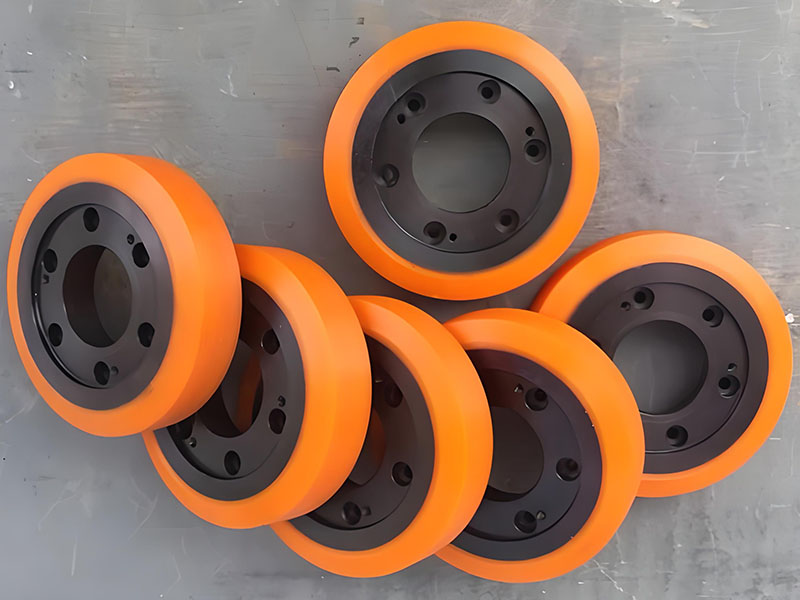
Conclusion: Choosing Smarter Mobility Solutions for Modern Industry
As modern industry advances toward automation, intelligence, and precision, wheel selection has evolved from a simple component choice into a critical decision impacting overall operational efficiency and safety.
With their outstanding comprehensive performance, polyurethane wheels are becoming the preferred choice for an increasing number of high-end applications. Leveraging deep R&D expertise and extensive application experience in NDI polyurethane materials, YALIDE delivers tailored solutions—offering not just a wheel, but comprehensive mobility system optimization recommendations.
The ultimate advice: Avoid comparing materials in isolation. Instead, base decisions on specific application scenarios, performance requirements, and economic benefits. YALIDE’s technical team stands ready to provide expert consultation and analysis, helping you make the most informed choice.


 Monday to Friday 8:00-17:00







 Telephone:
  Email:
  whatsApp: