In industrial transmission, logistics transportation, precision equipment, and other fields, wheels serve as core load-bearing and mobility components. Their performance directly determines equipment operational efficiency, safety, and overall cost. Addressing the industry question of “Which is better: polyurethane wheels or rubber wheels?”, Dongguan Yalide Technology Co., Ltd., drawing on years of polymer material R&D and manufacturing expertise, decodes the technical differences and application logic between the two materials from dimensions including material essence, performance parameters, and scenario suitability. This provides scientific reference for industry selection.
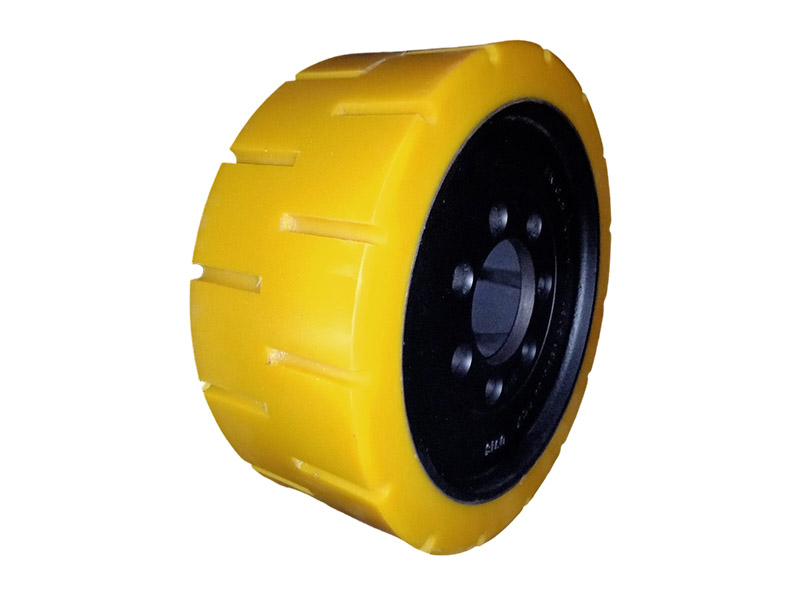
From a molecular structural perspective, the performance divide between the two materials is inherently determined. Traditional rubber wheels use natural or synthetic rubber as their base material, forming cross-linked structures through vulcanization. While possessing fundamental elasticity, their molecular chains exhibit limited toughness and rely on fillers like carbon black to enhance strength, creating inherent performance limitations. In contrast, polyurethane wheels utilize polyurethane elastomers as their core material. As block copolymers, their molecular chains alternate flexible soft segments with rigid hard segments, forming a unique microphase-separated structure. This structure combines the high elasticity of rubber with the high strength of plastics, endowing polyurethane wheels with comprehensive performance surpassing traditional rubber.
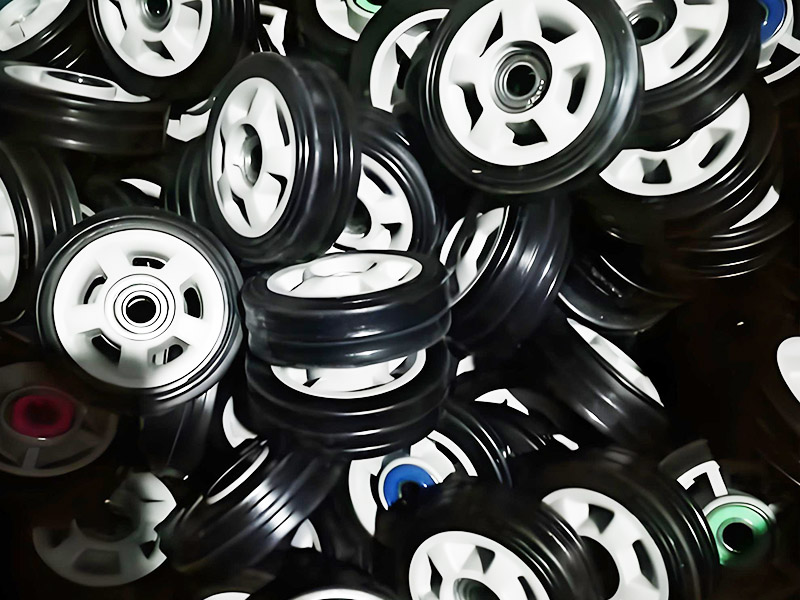
Differences in wear resistance and load-bearing capacity become key selection criteria in industrial applications. According to YALIDE laboratory testing, polyurethane wheels exhibit wear life 3-10 times longer than traditional rubber wheels. In DIN abrasion tests, their wear volume remains below 0.05 cm³/1.61 km, significantly outperforming rubber wheels. This stems from polyurethane’s high tear strength and resistance to chipping and flaking, minimizing debris generation even under high-frequency friction on rough surfaces. Regarding load capacity, polyurethane wheels can handle up to twice the rated load of rubber wheels. YALIDE’s premium products, manufactured using NDI-based polyurethane prepolymers, maintain deformation within 5% even under 1.5 times the rated load during continuous 24-hour operation. This makes them suitable for heavy-duty applications like electric forklifts and heavy-duty AGVs.

In environmental adaptability and sustainability, polyurethane wheels demonstrate advantages better aligned with modern industrial demands. Traditional rubber wheels tend to harden and crack in low-temperature environments, degrade when exposed to chemical agents, and their vulcanization process releases harmful gases. Additionally, end-of-life tire recycling poses significant challenges, creating environmental burdens. Polyurethane wheels, however, exhibit outstanding low-temperature resistance, maintaining elasticity even at -40°C. They also demonstrate strong oil resistance and chemical corrosion resistance, making them suitable for specialized environments like cold storage facilities and chemical workshops. Crucially, polyurethane wheel production eliminates the need for vulcanization, produces no carbon black pollution during wear, and allows for the recycling of end-of-life products—aligning with green manufacturing trends.
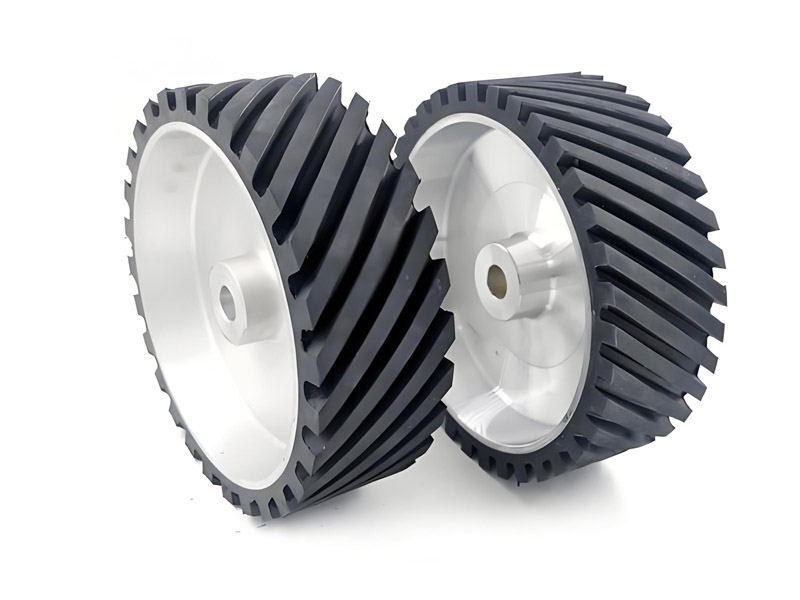
Polyurethane wheels are not universally applicable; scientific selection must be based on actual requirements. Rubber wheels, with their lower Shore hardness (67-75 degrees), offer superior cushioning, shock absorption, and traction performance. They also maintain low rolling noise levels, making them ideal for indoor/outdoor use and internal combustion handling equipment demanding high comfort. While polyurethane wheels feature higher hardness (83-95 Shore A), YALIDE’s optimized tread patterns and elastic formulations enhance traction while maintaining load capacity. Their lower rolling resistance extends electric equipment range, making them ideal for high-frequency, heavy-duty applications like indoor warehousing and cleanrooms.
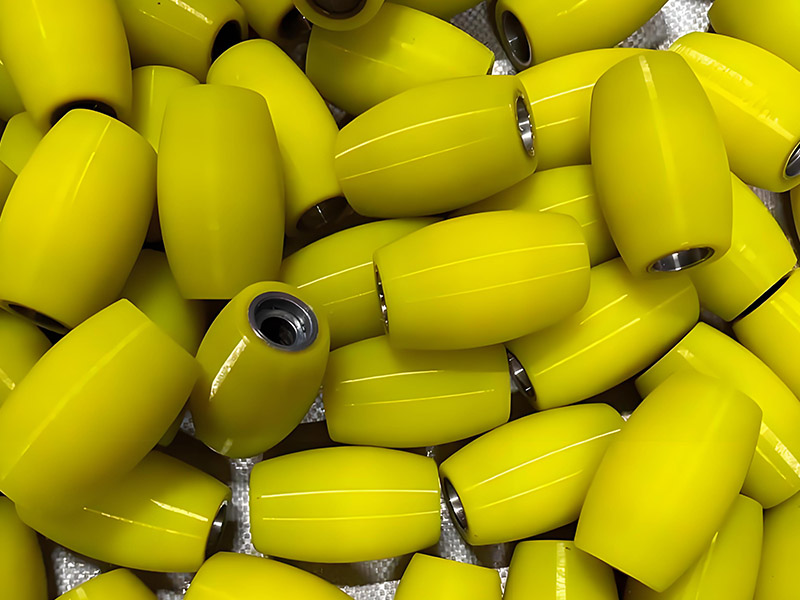
As a global technology enterprise specializing in polyurethane wheel R&D and manufacturing, YALIDE positions material innovation as its core competency. Mastering multi-system polyurethane formulations including TDI, MDI, and NDI, the company employs vacuum casting and precision vulcanization processes. Combined with core pre-treatment and rigorous quality control, this ensures over 99% product consistency. Addressing diverse industry requirements, YALIDE delivers comprehensive system solutions—from material customization and structural design to finished product testing—ensuring polyurethane wheels’ performance advantages precisely match application demands.
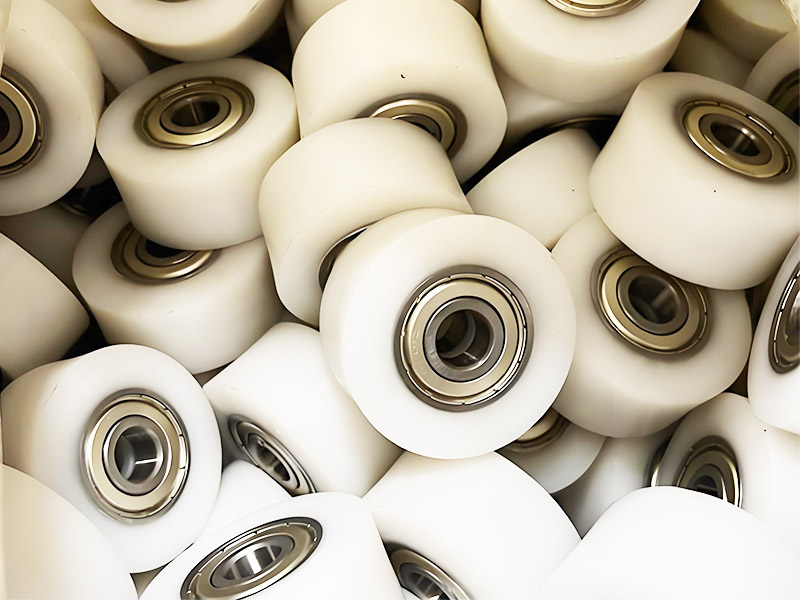
In summary, polyurethane wheels and rubber wheels are not inherently superior or inferior; their suitability depends on precise application matching. In modern industrial settings prioritizing efficiency, wear resistance, and environmental sustainability, polyurethane wheels emerge as the preferred choice for cost reduction and performance enhancement due to their material and process advantages. YALIDE will continue to deepen its expertise in polymer material technology, empowering intelligent upgrades across industries with superior polyurethane wheel products.


 Monday to Friday 8:00-17:00







 Telephone:
  Email:
  whatsApp: