There’s no definitive answer to whether polyurethane (PU) wheels or rubber wheels are superior—it all depends on your specific application. Simply put, if your usage involves heavy loads, long travel distances, and high wear resistance requirements, polyurethane wheels are the more suitable choice. If you prioritize quiet operation, shock absorption, protection for precision equipment or floors, and have a limited budget, rubber wheels offer greater advantages.
Polyurethane (PU) Wheels
Polyurethane wheels offer exceptional wear resistance, high load capacity, effortless maneuverability, and leave no marks—particularly excelling in durability. Their wear resistance typically outlasts rubber by several times, with even greater advantages in wet or oily environments. With high hardness (usually 83A-95A), they resist deformation and can handle significantly heavier loads than rubber wheels. They cause minimal floor damage, leaving no unsightly black marks. Polyurethane wheels also exhibit excellent resistance to grease, chemicals, and solvents, resisting aging or swelling. Their low rolling resistance makes pushing easier, making them suitable for applications requiring long-distance movement.
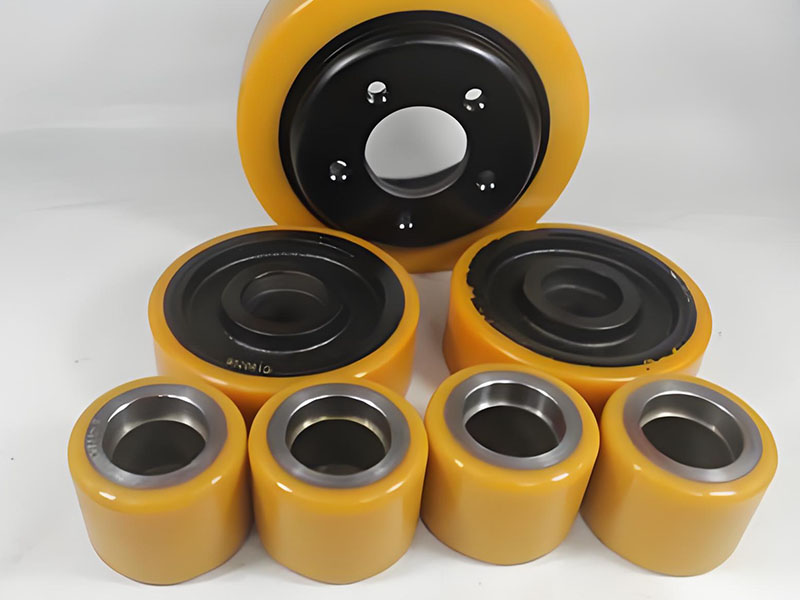
Conversely, polyurethane wheels offer average shock absorption/cushioning due to their relatively hard material, which absorbs impact and vibration poorly. Higher hardness in polyurethane wheels may also result in slightly increased noise. Additionally, polyurethane material typically carries a higher cost and price point than rubber wheels.
Rubber Wheels
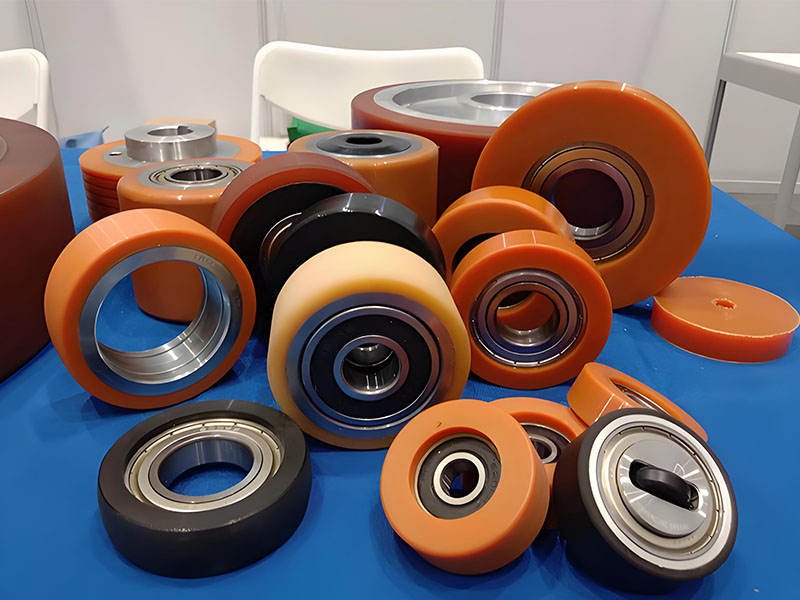
Rubber wheels offer shock absorption, quiet operation, slip resistance, low cost, and floor protection. Their wear resistance is generally comparable to polyurethane wheels, but they wear faster on rough surfaces and are susceptible to cuts from sharp objects. Rubber wheels excel in shock absorption/cushioning with excellent elasticity, effectively dampening vibrations. They are highly suitable for transporting precision instruments and produce minimal noise during operation. They do impact surfaces to some extent, with certain rubber wheels (especially black ones) prone to leaving carbon black marks. Additionally, rubber wheels are economical, made from readily available materials, and benefit from mature production processes, resulting in lower costs.
However, rubber wheels have relatively low load capacity. While elastic, their load-bearing capability is limited, and they deform under heavy loads, shortening their lifespan. Rubber wheels also exhibit high rolling resistance and significant friction with the ground, making pushing more effort-intensive. Their weather/chemical resistance is average, with poor oil resistance, and prolonged exposure to UV rays or ozone can cause aging and cracking.
How to choose between polyurethane and rubber wheels?
Consider polyurethane wheels for:
1. Heavy-duty applications: Factory transport carts, stackers, heavy equipment requiring high load capacity.
2. Long-distance, high-frequency use: Logistics equipment, warehouse trolleys needing smooth maneuverability and wear resistance.
3. Environmentally sensitive areas: Surfaces with oil or chemicals, or environments demanding high cleanliness (e.g., hospitals, food processing areas, hardwood floors) where non-marking wheels are required.
4. Harsh terrain: Polyurethane offers superior wear resistance on rough surfaces like concrete or asphalt.
Consider rubber wheels:
1. Shock absorption required: For transporting precision instruments, glassware, electronics, etc., where cargo protection from vibration is essential.
2. Ultra-quiet operation: In environments like hospital wards, libraries, or offices, rubber wheels offer superior noise reduction.
3. High slip resistance: When moving on wet or slippery surfaces, rubber wheels provide better traction and safety.
4. Budget constraints: For infrequent use and light-duty equipment (e.g., household carts), rubber wheels offer better cost-effectiveness.
Selection Summary
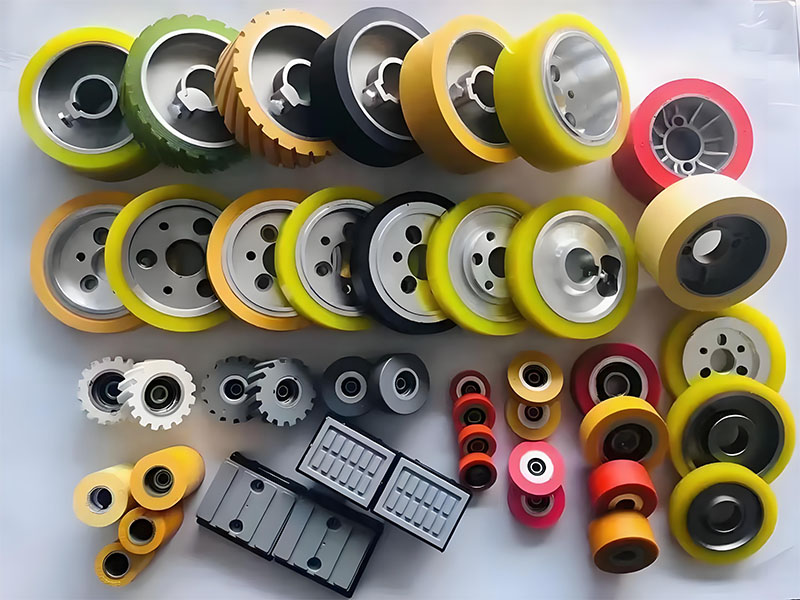
In terms of applicability:Polyurethane wheels are better suited for high-wear, high-load, and high-speed applications like industrial machinery, logistics, and automation equipment. Rubber wheels, however, excel in applications requiring shock absorption, noise reduction, and low cost, such as furniture mobility, toys, and light transport vehicles.
Environmental factors also warrant consideration. In damp or corrosive environments, polyurethane wheels gain an edge due to their chemical resistance. Conversely, in scenarios involving frequent movement or position adjustments, the shock-absorbing properties of rubber wheels may prove more critical.
In summary, polyurethane wheels and rubber wheels each have their strengths. The optimal choice depends on specific usage requirements and environmental conditions. When selecting, it is essential to comprehensively evaluate performance, cost, applicability, and environmental factors to make the best decision.


 Monday to Friday 8:00-17:00







 Telephone:
  Email:
  whatsApp: