Why is NDIthane elastomer recommended for polyurethane wheels?
Many people who upgrade forklift wheels know that these wheels are made from a core (steel/iron/aluminum/plastic) and polyurethane material. However, when ordering polyurethane wheels, manufacturers typically recommend using NDIthane elastomer for the tread surface. So why do manufacturers usually recommend NDIthane elastomer? Is it the right tread material for your desired wheel?
What is NDIthane Elastomer
NDIthane elastomer is a specialized, high-end material term. It refers to polyurethane elastomers synthesized using NDI (1,5-Naphthalene Diisocyanate) as the base. This material belongs to the top tier of polyurethane elastomers, renowned for its exceptional mechanical properties, heat resistance, and hydrolysis resistance. It is commonly referred to as “high-performance polyurethane elastomer” or “engineering-grade polyurethane.” NDIthane elastomers represent a specific type of polyurethane material, commonly referred to as NDI polyurethane, NDI-based polyurethane, or NDI material.
NDI polyurethane demonstrates outstanding performance across all aspects, particularly excelling in monorail drive wheels, earning it the title of the “wear-resistant champion” for coal mining equipment. Represented by NDIthane 95, its cast steel core + polyurethane tread structure enables stable operation from -10°C to 120°C, delivering superior mechanical properties and a lifespan exceeding 2000 hours.
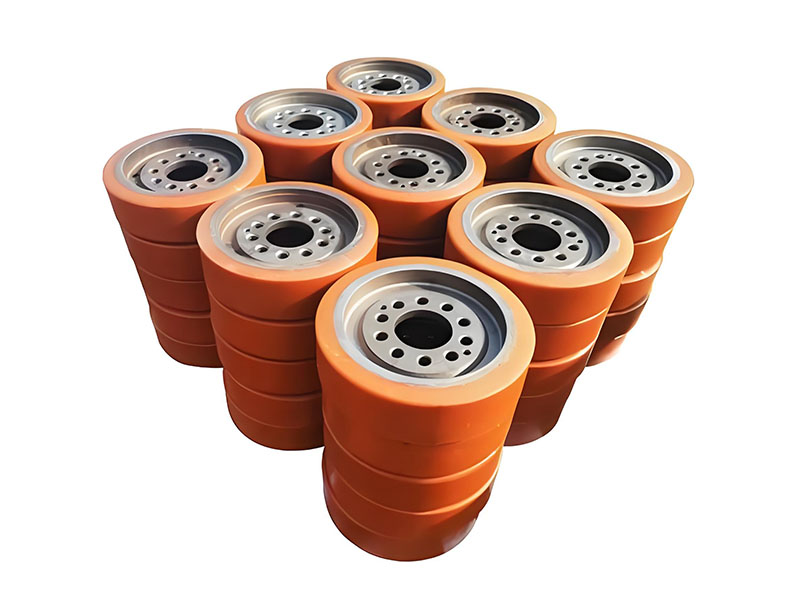
Outstanding Properties of NDI Polyurethane
NDI (naphthalene diisocyanate) is a novel polyurethane raw material characterized by high reactivity and superior heat resistance. Polyurethanes produced from NDI exhibit exceptional strength, hardness, and wear resistance, making them ideal for high-performance applications such as engineering plastics and specialty elastomers.
Toughness of NDI Polyurethane: Exhibits extremely high tensile strength, tear strength, and modulus. Simultaneously maintains excellent elasticity and resilience with outstanding impact resistance.
Heat Resistance of NDI Polyurethane: Withstands long-term temperatures of 120°C – 140°C and can endure higher temperatures for short durations. Mechanical properties degrade minimally at elevated temperatures, significantly outperforming conventional polyurethanes (typically limited to <80°C).
Hydrolytic Stability of NDI Polyurethane: While many polyurethane types exhibit poor hydrolytic resistance, NDI polyurethane demonstrates exceptional resilience in humid and hot environments. It resists hydrolytic degradation, ensuring extended service life.
Dynamic Properties of NDI Polyurethane: Low internal friction and minimal heat generation ensure stable performance under frequent compression and flexural deformation. It excels in dynamic loading conditions with strong resistance to permanent deformation.
Additionally, NDI polyurethane offers excellent chemical and oil resistance, demonstrating good tolerance to numerous oils, fuels, and chemicals.
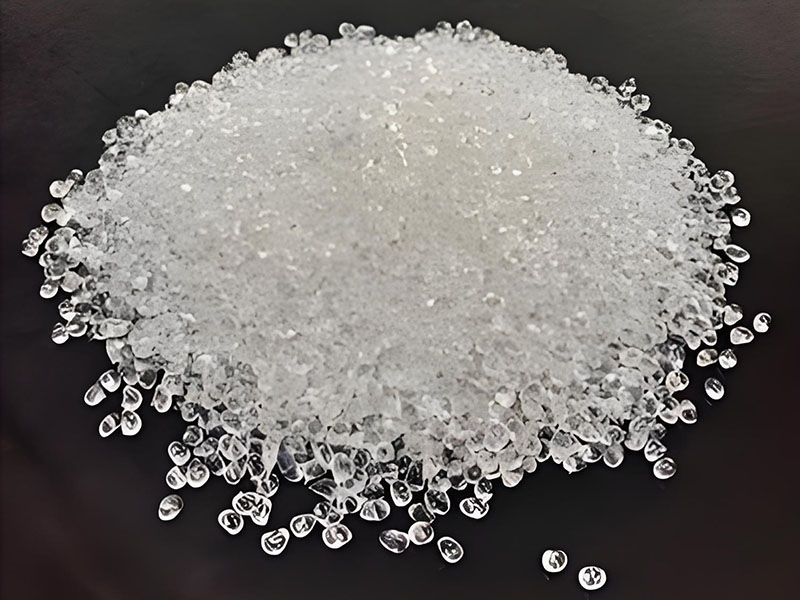
Primary Application Areas of NDI Polyurethane
NDI polyurethane excels in mechanical strength, toughness, heat resistance, hydrolysis resistance, dynamic performance, fatigue resistance, chemical resistance, and oil resistance. Consequently, it is widely adopted in high-end industrial and engineering sectors with extreme material demands. Examples include:
High-Performance Seals and Oil Seals: Due to its outstanding resistance to high pressure, high temperature, and various media, it is extensively used in heavy machinery, hydraulic systems, aerospace, and other fields.
Rollers and tires: Under demanding operating conditions, equipment places stringent requirements on rollers and tires, including high-temperature resistance, high load-bearing capacity, impact resistance, wear resistance, hydrolysis resistance, and excellent dynamic performance. NDIthane elastomers perfectly meet these demands, making them the material of choice for numerous roller and tire applications.
Beyond these primary applications, NDIthane elastomers find extensive use in other sectors. They serve as components requiring high damping and fatigue resistance in precision equipment, high-speed rail, and automotive industries. They also function as industrial rubber rollers operating in high-temperature or harsh chemical environments. Furthermore, NDIthane elastomers’ dimensional stability, non-slip properties, and fatigue resistance make them widely adopted in high-performance transmission belts and synchronous belts.
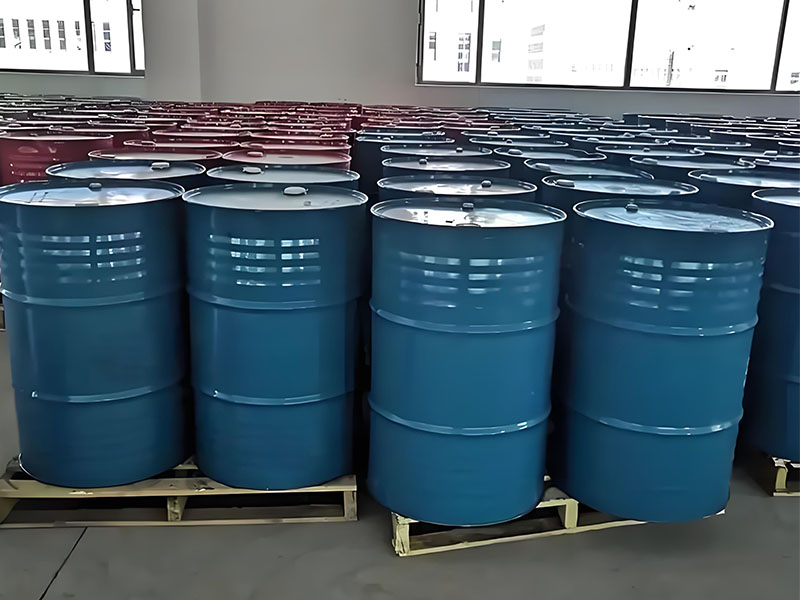
Disadvantages of NDI Elastomers
High Cost: NDI raw materials are relatively expensive, and the synthesis process for NDI elastomers is complex. The raw material cost is significantly higher than that of MDI and TDI, representing the fundamental cost driver. Consequently, the cost of producing polyurethane using NDI is also relatively high. However, with continuous advancements in production technology and the gradual realization of industrial-scale manufacturing, the cost of NDI is expected to decrease progressively.
Demanding Processing Requirements: NDI prepolymers exhibit high reactivity with typically very short pot lives. Mixed materials may begin thickening within minutes or even tens of seconds, posing significant challenges for casting, degassing, and filling complex molds. Simultaneously, trace moisture in raw materials, fillers, or even air can cause bubbles, defects, and severe performance degradation. All materials must undergo rigorous dehydration treatment.
Design Limitations: NDI elastomers are predominantly available in high-hardness forms (typically Shore A 90+ or even Shore D 50-70). Low-hardness grades (e.g., Shore A 60-80) are virtually nonexistent. This severely restricts their application in soft, high-compression-set areas. Despite high strength, their elevated modulus renders them relatively “stiff,” making them unsuitable for applications demanding extreme flexibility and elasticity.
Poor Bonding Properties: Due to NDI elastomers’ exceptional chemical stability and low surface energy, bonding NDIthane elastomers to metals or other substrates proves more challenging than conventional polyurethanes. Highly specialized primers and surface treatment processes are typically required, presenting significant challenges in bonding process development.

Comprehensive Evaluation of NDI Elastomers
NDIthane elastomers represent the pinnacle of polyurethane material performance, serving as a critical solution for engineering challenges involving extreme temperatures, dynamic loads, and harsh chemical environments. Their selection is not driven by economics but rather as a top-tier technical solution when conventional materials fail to meet performance requirements, leading to equipment failure or prohibitively costly downtime.
When selecting materials for specific applications—such as high-temperature rollers or heavy-duty seals—NDIthane is a premium option worthy of serious consideration. Polyurethanes manufactured with NDI exhibit exceptional strength, hardness, and abrasion resistance, making them ideal for high-performance polyurethane products like engineering plastics and specialty elastomers.


 Monday to Friday 8:00-17:00







 Telephone:
  Email:
  whatsApp: